Fuzhou Lacquer Art: Unveiling Its Profound Artistic and Cultural Value
By Professor Peng Mingwu | Category: Cultural Heritage & Art History
1. Lacquer as a Civilization: Elevating Utility into Living Art
Since the dawn of time, human civilization has relied on the fusion of technology and art to sustain itself. Humanity has not only used technology to forge a physical world suitable for survival, but has also derived rich art and culture from it to elevate daily life. Natural lacquer (Urushi) is precisely such a civilization.
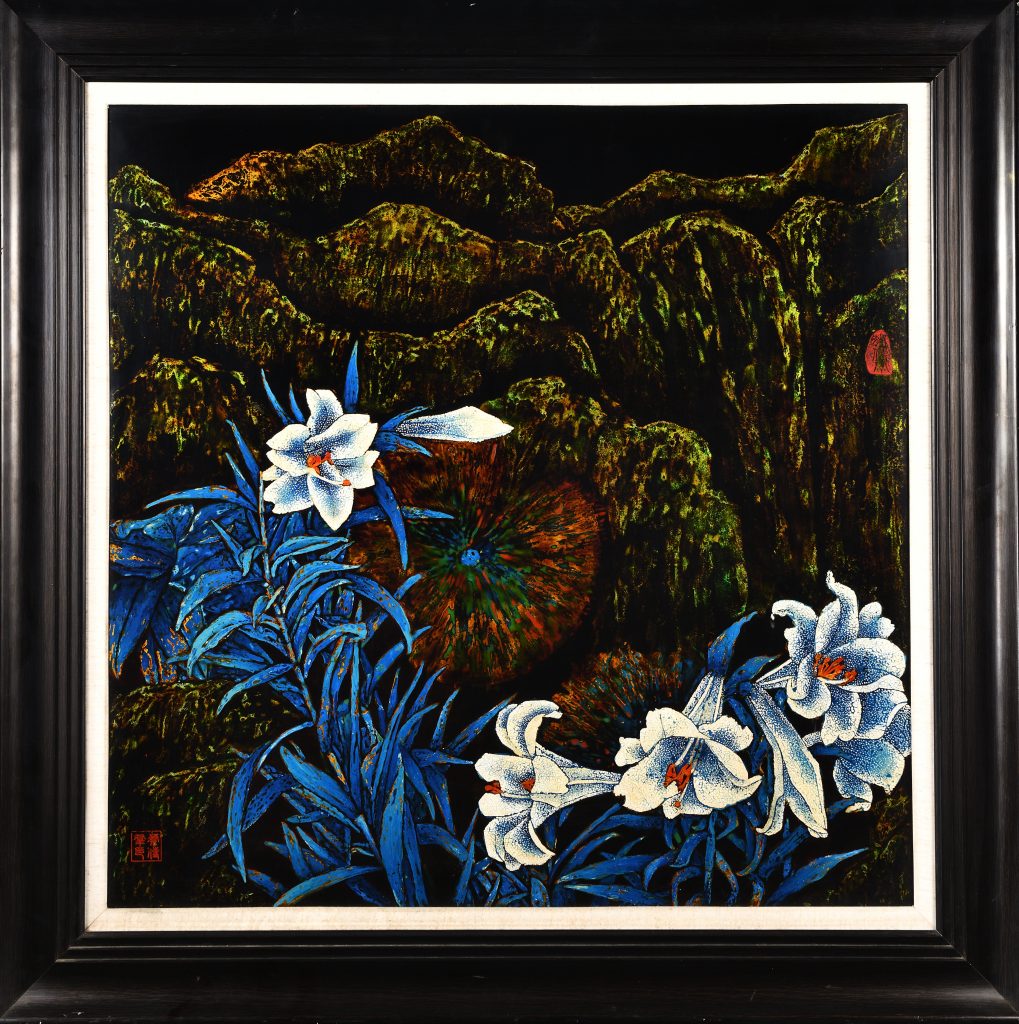
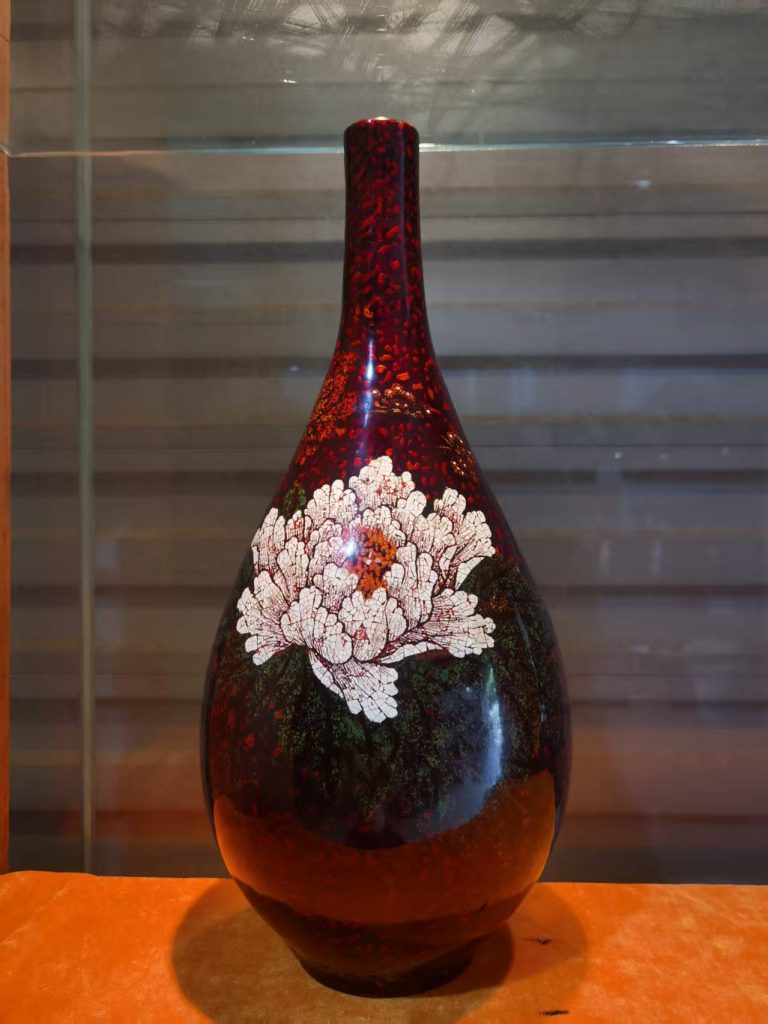
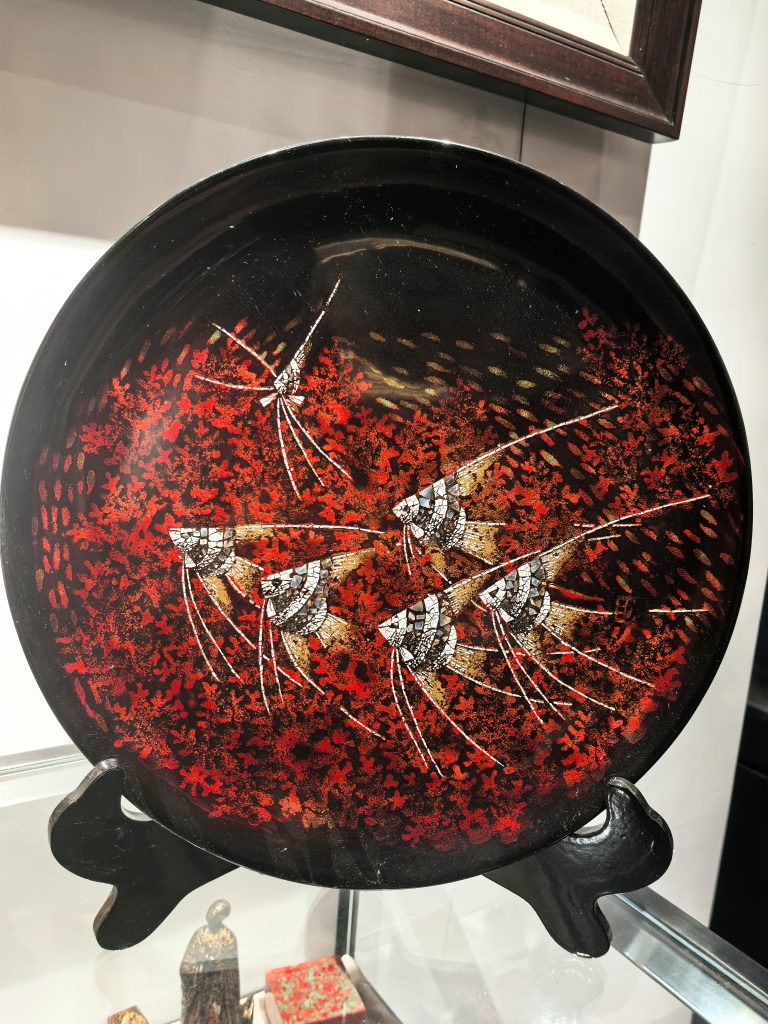
In the early stages of human history, lacquer served merely as a material for protection and adhesion. However, through the relentless dedication and pursuit of our ancestors, its texture, craftsmanship, and decorative forms evolved to become increasingly rich and refined across different regions. If the definitive value of ceramics lies in the alchemy of kiln-firing, then the supreme value of Fuzhou lacquer art lies in its bodiless craftsmanship (Tuo-Tai) and its decorative embellishment of everyday life.
2. A Deep Regional Legacy: From Imperial Workshops to Living Heritage
The creation of Fuzhou lacquerware is rooted in a profound regional tradition. Its lineage can be traced back to the Qin and Han dynasties, reaching a historic peak of prosperity during the Southern Song Dynasty, when Fuzhou became a prominent hub. By the Ming and Qing dynasties, Fuzhou had firmly established itself as the premier cradle of bodiless lacquerware production.
In 2006, the decorative techniques of Fuzhou bodiless lacquerware were officially inscribed onto the inaugural list of the National Intangible Cultural Heritage. Concurrently, the Fuzhou municipal government rolled out strategic implementation measures to protect and develop traditional fine arts. This led to the establishment of the Bodiless Lacquerware Industry Association and dedicated lacquer art preservation bases, alongside a subsidized mentorship program pairing National Masters and celebrated artisans with next-generation apprentices. Many of the master artisans featured in The World of Lacquer: 70 Contemporary Lacquer Artists of Fuzhou are active participants in these initiatives—efforts driven by a collective mission to pioneer a renaissance for the Fuzhou lacquer industry, causing an influx of brilliant new works to continuously emerge.
Fan Di’an, the former President of the Central Academy of Fine Arts, once acclaimed Fuzhou lacquer art with high praise: “China is a monumental lacquer culture nation, and Fuzhou is its vital cultural stronghold. From the early modern Fuzhou lacquer pinnacle spearheaded by the Shen Shaoan family, to the establishment of China’s earliest academic lacquer discipline by Shen Fuwen; and from the booming renaissance of Chinese lacquer painting born of the Reform and Opening-up era, to the contemporary lacquer art we see in the new millennium—Fuzhou has maintained an inextricably intertwined, foundational connection with the modern developmental trajectory of Chinese lacquer art.”
3. Beyond Tradition: The Uniqueness of the 70 Contemporary Masters
Through the masterpieces of these 70 Fuzhou lacquer creators, we gain a profound understanding of the expansive horizons that lacquer culture and Fuzhou craftsmanship can reach. Raw lacquer remains a living, breathing heritage because the dedication of these artists seamlessly integrates lacquer creations into the fabric of our contemporary lives. As national and provincial masters, seasoned artists, and passionate youth practitioners, the Fuzhou Lacquer 70 group has gracefully embraced the grueling, long-term physical labor and creative companionship demanded by every stage of the craft—from raw bodiless shaping to the final push-polishing.
Through extraordinary ingenuity infused with diverse aesthetic expressions, they play a monumental role in safeguarding and inheriting China’s intangible cultural heritage. This volume not only unlocks the expansive expressive vocabulary of contemporary Fuzhou lacquer art but also pulls back the curtain on the untold human stories behind its historical evolution.
Within their masterpieces, observers will encounter familiar, traditional visual textures, alongside avant-garde experimental techniques that incorporate unconventional materials. These breakthroughs demonstrate the infinite possibilities of self-innovation within the lacquer medium. Boasting a rich cultural ecosystem and a profound lineage of master-to-disciple transmission, the Fuzhou lacquer community plays an irreplaceable, heavyweight role in the global evolution of contemporary lacquer art.
4. Epilogue: The Continuous Renewal of an Ancient Medium
I firmly believe that “Fuzhou Lacquer 70” is far more than a mere statistical figure; it represents the definitive collective identity of Fuzhou’s contemporary lacquer artisans. Spanning generations—from revered elders and mid-career masters to promising young talents—this community encompasses virtually every form of aesthetic expression, material engineering, and technical execution found in modern lacquerwork. Embracing a diverse expressive vocabulary is the inevitable destiny of modern lacquer art’s evolution, though decoding how to seamlessly translate these ancient, traditional resources into contemporary daily life remains a monumental, long-term journey.
The 70 masters of the Fuzhou lacquer community are not merely the premium representatives and historical chroniclers of this craft; they are the active participants, creators, and trailblazing pioneers of contemporary Chinese lacquer history. While driving artistic innovation and practical growth within their respective disciplines, they champion Fuzhou’s unique cultural resources. By accelerating the integration of Fuzhou culture, tourism, and creative digital industries, their lifework holds immense practical significance for the revitalization and sustainable future of traditional handmade craftsmanship.
— Peng Mingwu, October 2019, Professor and Master’s Supervisor at the Central Academy of Fine Arts, National Research Review & Authentication Expert for the Ministry of Culture and Tourism, Written in Beijing